Get your engine bay cleaned when its condition calls for it, not automatically with every car wash. For your 2026 maintenance plan, follow your vehicle manufacturer's cleaning instructions, remove loose debris when safe, and have fresh fluid leaks or electrical problems checked before scheduling cosmetic cleaning.
- Base engine bay cleaning frequency on visible buildup and your vehicle manufacturer's instructions, not a fixed calendar.
- Light dust alone does not justify aggressive washing; fresh fluid residue needs mechanical attention first.
- Crispy Clean Mobile Carwash provides on-location auto detailing in Rio Rancho; confirm engine bay cleaning before booking.
- Engine cleaning does not replace oil changes, repairs, or scheduled vehicle maintenance.
How often should you get your car's engine bay cleaned?
Use a condition-based schedule: inspect first, then clean only when needed and permitted by your owner's manual. A lightly dusty engine compartment and an engine covered in oily residue need different responses. Neither should receive a strong rinse simply because a detailing appointment is due.
Before choosing a cleaning method, read whether it is safe to clean an engine bay with water. Electrical components, intake openings, modifications, and manufacturer restrictions all matter more than an arbitrary cleaning interval.
| Engine bay condition | Best for | Recommended next move | Main limitation |
|---|---|---|---|
| Light surface dust, no fresh fluid residue | Routine visual checks | Inspect and leave alone unless cleaning is needed | Dusting does not address hidden contamination |
| Loose leaves or accessible debris | Targeted debris removal | Remove debris safely with the engine off and cool | Do not reach into fans, belts, or inaccessible spaces |
| Visible dirt or greasy buildup | A cleaning assessment | Ask for a vehicle-specific method consistent with the manual | Cleaning requires care around sensitive components |
| Fresh oil, coolant, or other fluid residue | Mechanical diagnosis | Have the source inspected before cosmetic cleaning | Washing cannot repair a leak |
| Damaged wiring or exposed aftermarket connections | Electrical inspection | Resolve the condition before introducing moisture | A clean appearance does not establish electrical safety |
These are decision categories, not service packages. Your vehicle's instructions and actual condition determine the next step.
Why this matters
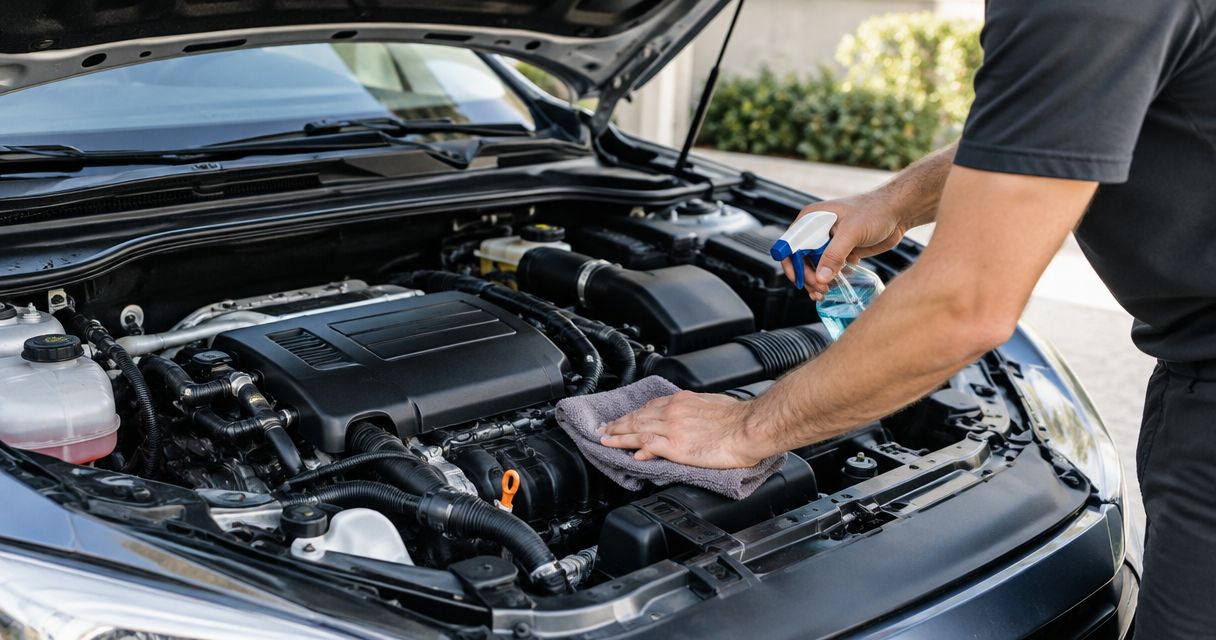
An engine bay is not another painted exterior panel. It contains electrical connections, moving parts, hot surfaces, and openings that require a different approach from washing a hood or door.
Cleaning also changes what you can see. Removing grime can make surfaces easier to inspect, but removing fresh residue before documenting it can make a mechanic's initial assessment harder. Take clear photos of anything unusual before anyone cleans it.
For a 2026 vehicle-care checklist, keep appearance work separate from maintenance. A tidy engine compartment does not confirm that belts, hoses, fluid levels, or electrical systems are in good condition.
Light dust: inspect before scheduling a wash
Best for: vehicles with a light dust film and no visible leak or damage. If your engine compartment is simply dusty, start with a visual check rather than assuming it needs a wet wash. Look without touching hot parts or opening fluid caps.
The benefit of leaving harmless surface dust alone is straightforward: you avoid an unnecessary cleaning process. The drawback is that dirt can accumulate unnoticed if you never look under the hood. Inspection and washing are separate tasks.
For a Rio Rancho driver, the useful question is not whether the outside of the car looks dusty. It is whether contamination under the hood needs attention. A dirty windshield or dusty roof does not establish that the engine compartment needs the same treatment.
Check the manufacturer's instructions before using brushes, chemicals, compressed air, or water. If the instructions are unclear, ask a qualified service professional rather than improvising around wiring and intake components.
Visible buildup: request an assessment, not an automatic rinse
Best for: vehicles with dirt or greasy deposits that interfere with a useful visual inspection. Describe the buildup and share photos before booking. Ask whether the provider recommends cleaning, mechanical inspection, or leaving particular areas untouched.
Targeted cleaning can address accessible dirty surfaces without treating the entire compartment alike. Its limitation is access: decorative covers and tightly packed components hide areas that should not be disturbed casually. Removing parts is a separate decision, not an assumed part of detailing.
Distinguish old grime from a fresh wet patch. Old residue does not establish an active leak, while a newly wet area needs investigation rather than a cosmetic explanation. If you cannot tell the difference, have the vehicle assessed.
Do not request a glossy finish as proof of thorough work. A shiny plastic cover says little about the condition of the engine beneath it, and any dressing needs to be suitable for the surface and location.
Fresh fluid residue: mechanical inspection comes first
Best for: vehicles with new wet spots, recurring residue, or a suspected leak. Photograph the affected area and explain when you first noticed it. Let the mechanic decide whether cleaning is needed as part of diagnosis.
Cleaning sometimes forms part of tracing a leak, but that is different from washing away evidence before an inspection. Follow the repair professional's instructions about when and where cleaning should happen.
If you notice smoke, an overheating warning, or another urgent operating concern, follow the owner's manual and seek appropriate roadside or repair assistance. Do not treat those signs as a detailing problem. Engine bay cleaning is appearance work unless a qualified professional directs it for a specific maintenance purpose.
For your 2026 records, save the photos alongside any repair notes. Comparing the same area after a documented repair is more useful than relying on memory about how dirty it looked.
Why engine bay cleaning frequency varies
A fixed interval ignores the condition of the vehicle and the way it is used. Base your decision on these factors:
- Manufacturer instructions. Your owner's manual determines the cleaning restrictions and precautions for your vehicle. Do not substitute general detailing advice for those instructions.
- Actual contamination. Light dust, loose leaves, oily buildup, and fresh fluid residue require different responses. Describe what is present rather than asking for the strongest treatment.
- Driving exposure. Unpaved-road use and visible mud justify another inspection. They do not automatically justify pressure washing.
- Component condition. Damaged wiring, missing protective covers, and deteriorated connections need attention before cleaning introduces moisture.
- Modifications. Aftermarket electrical accessories and intake changes can alter the precautions needed. Tell the provider about them before work begins.
- Recent repairs. Ask the repair shop whether residue should remain for diagnosis or be removed afterward. Cleaning should support the repair process, not obscure it.
These factors explain why two cars parked on the same Rio Rancho street can need different care. Your neighbor's cleaning schedule is not a specification for your vehicle.
How do you decide whether to book engine bay cleaning?
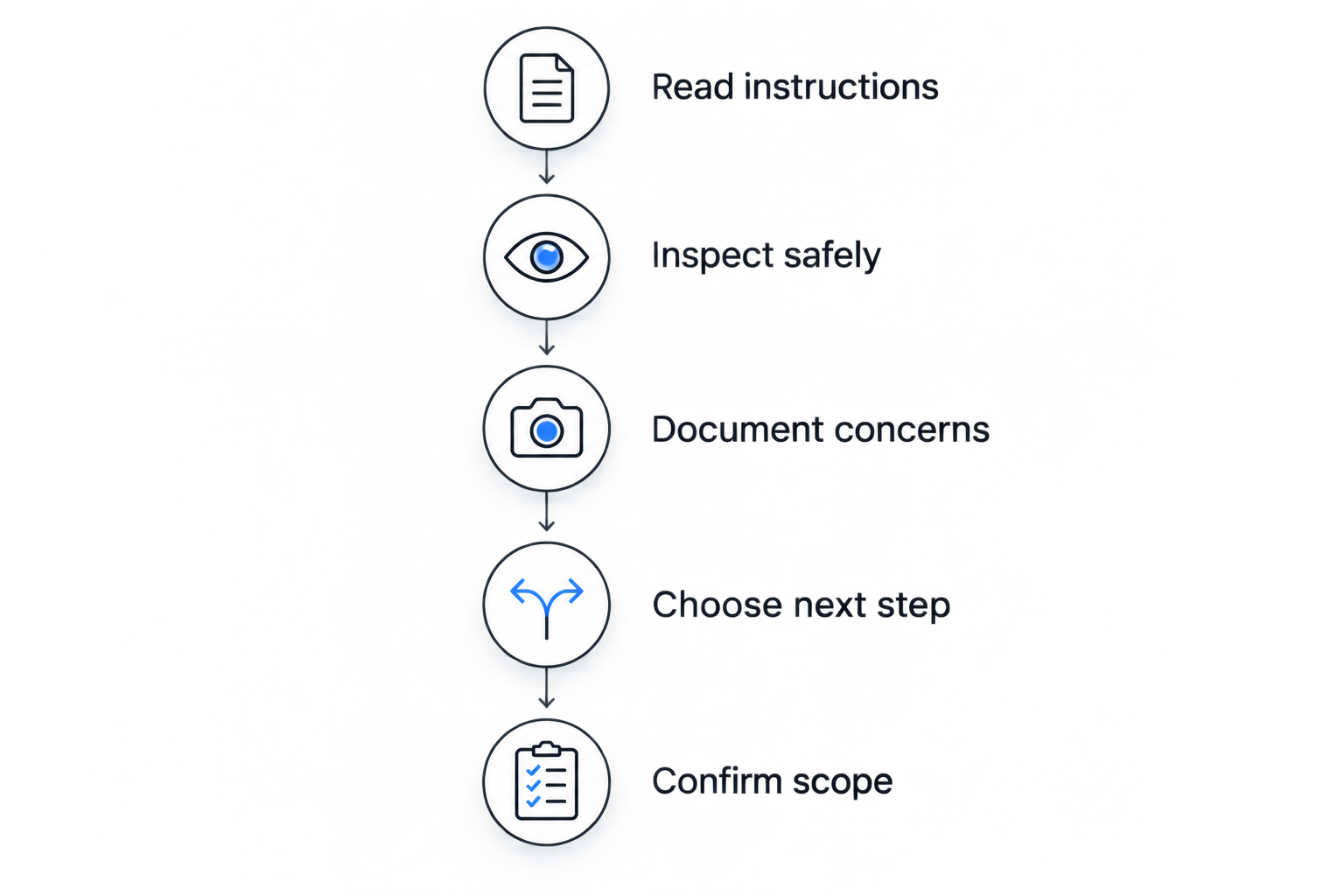
Use this sequence before requesting an appointment. It keeps the decision focused on what the vehicle needs rather than which detailing package sounds most complete.
- Read instructions. Find the engine-compartment cleaning guidance in your owner's manual. Note restrictions on water, chemicals, and sensitive areas.
- Inspect safely. Park safely, switch the vehicle off, and allow hot components to cool. Keep hands and tools away from fans, belts, and electrical connections.
- Document concerns. Photograph buildup, wet patches, damaged covers, and visible modifications without disturbing them.
- Choose next step. Seek mechanical advice for suspected faults; request a cleaning assessment for cosmetic buildup.
- Confirm scope. Ask what will be cleaned, what will remain untouched, and how the method follows your vehicle's instructions.
Write the agreed scope into your 2026 appointment notes. Include existing concerns so the provider knows what requires caution and what needs a mechanic's attention instead.
What should you ask a mobile detailer before booking?
On-location service saves you a trip, but it does not make every detailing task suitable for every vehicle or parking space. Ask about engine cleaning explicitly; do not assume it comes with a full detail.
Crispy Clean Mobile Carwash is best for Rio Rancho vehicle owners seeking on-location mobile washing and auto detailing. Confirm whether engine bay cleaning is offered for your vehicle before requesting it. The on-location format provides convenience; engine-cleaning suitability still requires a separate discussion.
When contacting Crispy Clean Mobile Carwash, provide your vehicle's make, model, condition, and appointment address. For an address in Albuquerque, Corrales, Los Lunas, Belen, or Santa Fe, confirm service coverage rather than assuming the location is included.
Use call/text, a website form, or a social message where the business provides that option. A useful request is specific: explain what you see, mention any suspected leak, and ask whether an assessment is needed before scheduling.
Before agreeing to the work, ask:
- Is engine bay cleaning offered for this vehicle?
- What method will be used, and which areas will remain untouched?
- Does the provider need the engine cool before arrival?
- Are water, electricity, parking permission, or runoff arrangements needed?
- What is included in the written scope, and what requires separate approval?
Ask about your detailing visit
Share your vehicle, location, and cleaning concerns. Confirm engine bay service before booking.
Should you clean the engine bay with every car wash?
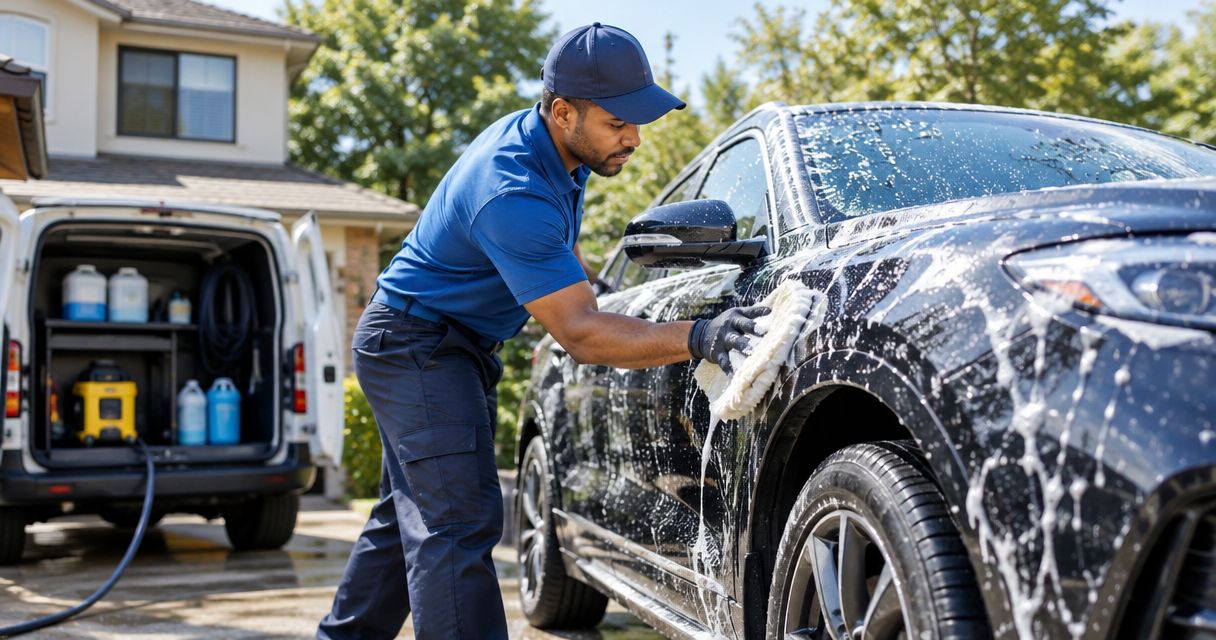
No—an exterior wash does not create a need for engine bay cleaning. Wash the outside according to its condition and care instructions, and assess the engine compartment separately. Avoid adding under-hood washing by habit.
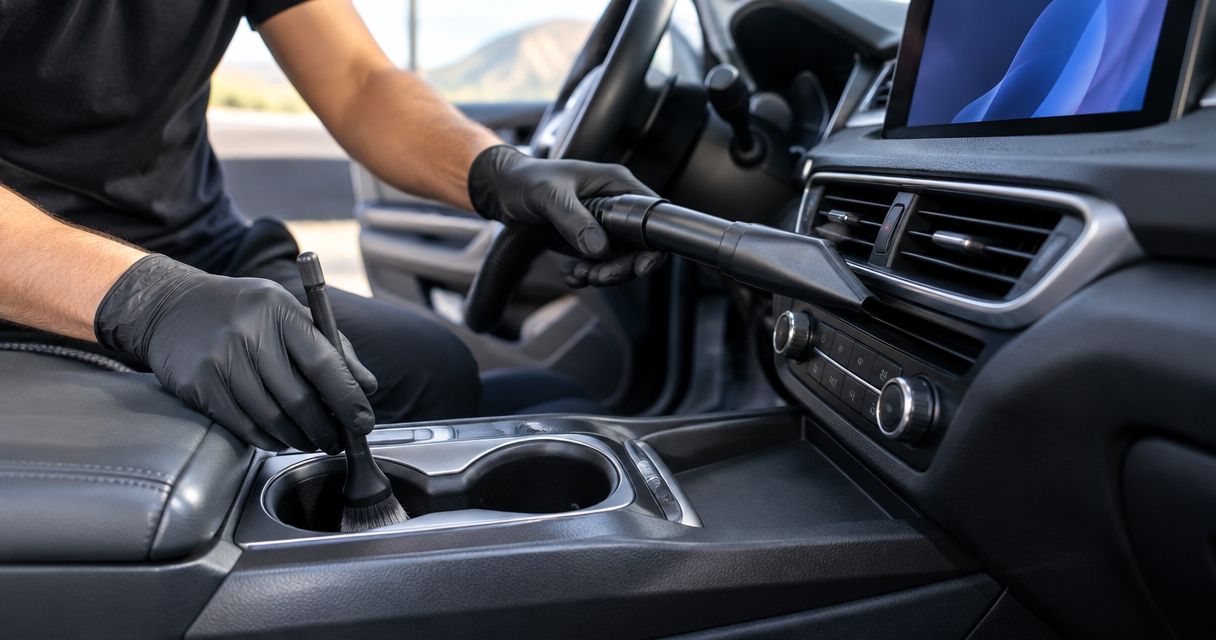
The same distinction applies to full detailing. Interior vacuuming, carpet shampooing, waxing, and polishing address different surfaces and do not establish that engine cleaning is included or necessary.
Should you clean the engine bay before selling your car?
Clean for honest presentation, not to conceal a problem. If the engine compartment needs cosmetic attention, document any suspected leaks and address known faults first. Keep repair records available for the buyer.
An unusually shiny engine is not evidence of good mechanical condition. A buyer's inspection and service history answer different questions from a detailing appointment.
Do electric and hybrid vehicles need the same cleaning approach?
No—follow the instructions for the exact electric or hybrid vehicle. Do not apply generic combustion-engine cleaning advice to high-voltage components or assume the absence of a conventional engine makes every under-hood area safe to wash.
Do not handle high-voltage cables, connectors, or components. Ask a qualified professional when the manual does not clearly address the cleaning you want performed.
FAQ
What's the right engine bay cleaning frequency in 2026?
The right engine bay cleaning frequency is condition-based and follows your vehicle manufacturer's instructions. Inspect visible buildup and have suspected faults assessed rather than adopting an unsupported calendar interval.
Does a dusty engine bay mean I need a full detail?
A dusty engine bay does not automatically require a full detail. Assess the engine compartment separately from the cabin and painted exterior, and confirm the scope before booking.
Can I pressure wash my engine bay at a self-service car wash?
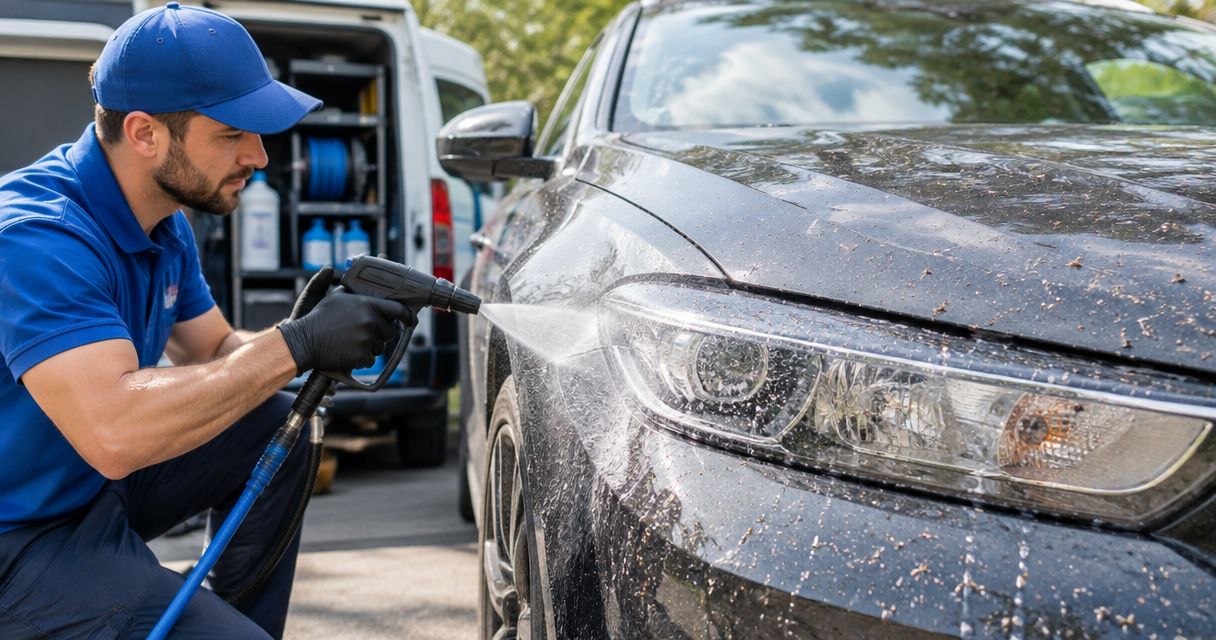
Do not assume a self-service pressure washer is suitable for your engine bay. Follow the vehicle manufacturer's restrictions and avoid directing high-pressure water at electrical components or intake openings.
Should I clean oil off the engine before seeing a mechanic?
Ask the mechanic before removing fresh oil residue. Photograph the area first, because the location and pattern of residue can help the initial inspection.
Does engine bay cleaning improve fuel economy?
Do not book cosmetic engine bay cleaning as a fuel-economy treatment. Have performance concerns diagnosed and follow the vehicle's maintenance schedule.
Does Crispy Clean Mobile Carwash include engine cleaning in detailing?
Confirm engine bay cleaning directly with Crispy Clean Mobile Carwash before booking. On-location mobile washing and auto detailing do not establish that engine cleaning is included.
Can I clean an engine bay while the engine is hot?
Do not start cleaning a hot engine compartment. Allow components to cool and follow the manufacturer's instructions before introducing water or cleaning products.
One last thing
Take the same under-hood photo before and after any approved cleaning. A consistent view helps you compare visible condition without confusing a cleaner surface with a repaired vehicle. Keep those photos with your maintenance notes, and let a mechanic assess any residue that returns.