Window tinting installation time depends on how many windows you want covered, the vehicle’s glass, and whether existing film needs removal; get a completion estimate for your specific vehicle before booking. Installation and curing are separate: you can collect the car before the film has fully cured, but you must follow the installer’s restrictions on window use and cleaning. For your 2026 appointment, confirm both the pickup time and the aftercare instructions rather than treating them as the same deadline.
- How long does window tinting take? Get a vehicle-specific installation estimate, plus separate curing and window-use instructions.
- Rio Rancho drivers should disclose old tint before booking; removal changes the work involved.
- A partial-window installation covers less glass, but difficult access and preparation still affect the appointment.
- Confirm pickup, window operation, and cleaning instructions separately before leaving the installer.
Why this matters
A finished installation does not mean fully cured film. Confusing those milestones creates scheduling problems and increases the chance of disturbing a fresh installation.
If you are comparing window tinting services in Albuquerque, ask each installer about the same vehicle and the same windows. An estimate for front side windows is not directly comparable with one that includes rear side glass and the rear windshield.
How long does window tinting take to install?
The useful answer is the installer’s estimate for your exact scope of work, not a generic promise for every car. Ask whether that estimate describes hands-on installation, the total time your vehicle stays at the shop, or the period before you can operate the windows.
For a 2026 booking, request these milestones separately:
| Milestone | What it means | What to confirm |
|---|---|---|
| Drop-off | The installer receives your vehicle | Whether work begins at drop-off or later |
| Installation | Glass preparation, film fitting, application, and inspection | Which windows and preparation tasks are included |
| Pickup | The vehicle is ready to leave | Whether you need alternative transportation |
| Window operation | You can lower movable windows again | The installer’s film-specific restriction |
| Full curing | Remaining installation moisture has dried and the adhesive has cured | Expected appearance changes and follow-up instructions |
An appointment time alone does not answer all of those questions. A morning drop-off, for example, is not a promise that installation begins immediately.
Book around the confirmed pickup estimate, then follow a separate aftercare schedule. Tell the installer about any fixed commitment before accepting the appointment.
Partial-window tinting: confirm the exact glass
Best for: drivers who want selected windows tinted rather than a broader installation. A partial job covers less glass, but the installer still needs to prepare each surface, fit the film, and inspect the result.
The advantage is a narrower scope. The limitation is that a smaller job still requires careful preparation and does not automatically mean immediate service.
Describe the windows by location instead of asking for a small tint job. Say whether you mean the driver and passenger front windows, rear passenger windows, or another specific area.
If matching existing tint matters, mention that before booking. Matching appearance and selecting a legally suitable film are separate questions from installation time; ask the installer to address both.
Multiple-window tinting: define what is included
Best for: drivers who want several areas of glass addressed in one appointment. A broader installation involves more surfaces to clean, fit, apply, and check.
The benefit is handling the agreed scope together. The trade-off is more work than a comparable installation covering fewer windows, with additional variation from glass shape and access.
Avoid relying on the phrase full car without clarification. Ask whether the estimate includes rear quarter windows, the rear windshield, or any windshield work you requested.
Your written scope should name the glass being covered. That makes competing estimates easier to compare and prevents a pickup discussion from becoming a disagreement about what you ordered.
Tint replacement: disclose existing film first
Best for: drivers replacing unwanted, damaged, or deteriorating film. Replacement includes preparation that a bare-glass installation does not: removing the existing film and dealing with remaining adhesive.
The benefit is addressing the old material before applying new film. The limitation is that removal difficulty depends on the film’s condition, adhesion, and the glass involved.
Send clear photos if the installer requests them, especially when the old tint is peeling or bubbling. Photos help explain the starting condition, although they do not replace an inspection.
Tell the installer about rear-window defroster lines and any existing damage. Do not remove old film yourself just to shorten the appointment without first discussing the method and risks.
| Job type | Best for | Main advantage | Main limitation |
|---|---|---|---|
| Partial-window installation | Selected areas of glass | Narrower scope | Preparation and scheduling still apply |
| Multiple-window installation | Several windows in one visit | Agreed coverage handled together | More glass and access points to address |
| Tint replacement | Removing and replacing existing film | Old material is addressed first | Removal and adhesive cleanup add work |
Why window tinting installation time varies
These factors explain why an installer needs vehicle details before confirming a schedule:
- Glass coverage: More windows mean more surfaces to prepare, fit, apply, and inspect.
- Existing film: Removal and adhesive cleanup change the job before new film goes on.
- Glass shape: Curved glass requires fitting and shaping appropriate to the window.
- Access: Interior trim and tight spaces affect how the installer reaches the glass.
- Surface condition: Residue and contamination must be addressed during preparation.
- Shop scheduling: Drop-off, hands-on work, inspection, and pickup are different parts of the visit.
Vehicle size alone is not enough to predict the appointment. A smaller car with difficult rear-glass access and old film presents a different job from a larger vehicle receiving selected-window tint on bare glass.
When arranging a 2026 appointment, describe the work before asking for the fastest slot. A clear scope produces a more useful estimate than the vehicle’s make and model alone.
What happens during a window tinting appointment?
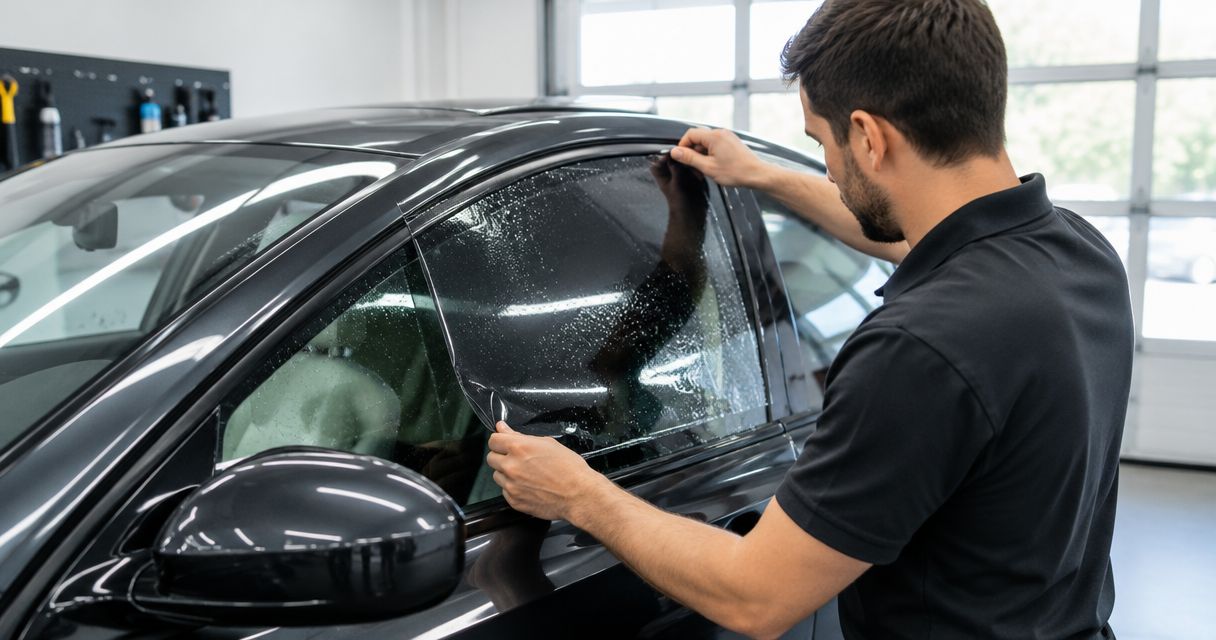
A typical installation follows a preparation-and-application sequence. The installer’s equipment and methods determine the exact workflow, so use this outline to understand the work rather than to set a deadline yourself.
- Confirm scope. Identify the windows, film selection, existing tint, and any glass concerns.
- Prepare glass. Clean the surfaces and address old film or adhesive when included.
- Fit film. Cut and shape the material for the glass being covered.
- Apply film. Position the film and remove application solution with suitable tools.
- Inspect work. Check the installation and explain aftercare before handover.
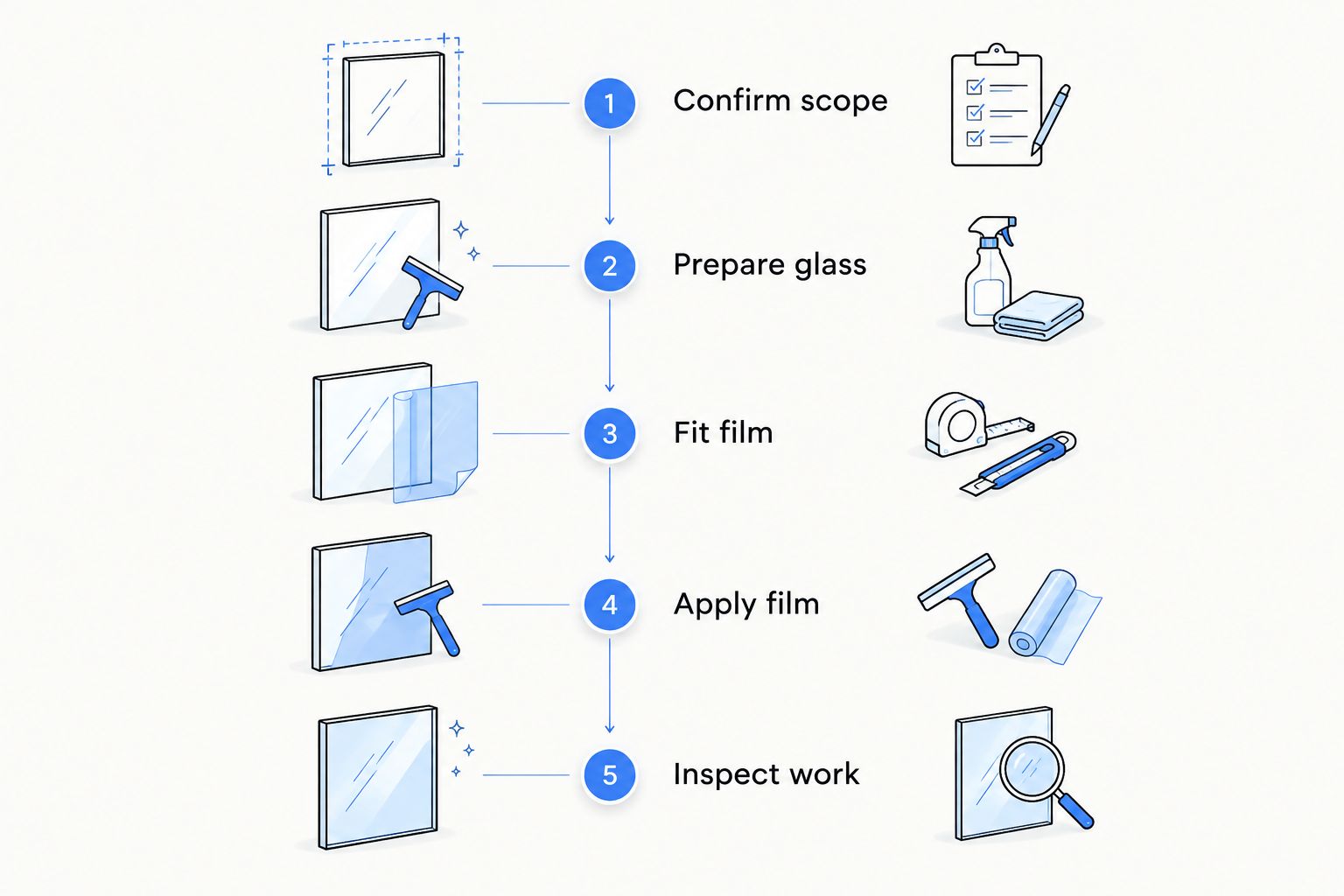
Ask which preparation tasks are included before you arrive. A vehicle that already has tint should not be booked as though every window is bare glass.
Keep the handover instructions somewhere you can find them. Anyone else who drives the vehicle needs to know about window-operation restrictions too.
Does curing take longer than installation?
Curing continues after installation and can extend beyond pickup. Window film is commonly applied using an installation solution; remaining moisture needs time to dry through the film system.
Film type and environmental conditions affect that process. Ask for instructions tied to the installed material rather than borrowing a deadline from another vehicle or an unrelated online discussion.
Some temporary haziness or moisture-related appearance changes can occur during curing. Do not press on the film, puncture a suspected bubble, or try to force moisture out yourself; send the installer a photo and ask whether inspection is needed.
For a 2026 installation, keep a copy of the aftercare information supplied at pickup. It should explain what to expect and when to contact the installer about an appearance concern.
Can I drive my car immediately after tinting?
Pickup permission and permission to lower the windows are different things. Ask the installer whether the vehicle is ready to drive and what restrictions still apply to the fresh film.
Before leaving, check that your view through the glass is suitable for driving. Raise visibility concerns with the installer before entering traffic, rather than assuming every visual issue is normal curing.
If the vehicle automatically lowers its side glass when a door opens, mention that feature when booking. The installer needs to account for the vehicle’s normal window operation when explaining aftercare.
Can I wash or detail my car after window tinting?
Confirm interior-glass cleaning separately from an exterior wash. Cleaning the outside of a window is not the same task as wiping newly installed film on the inside.
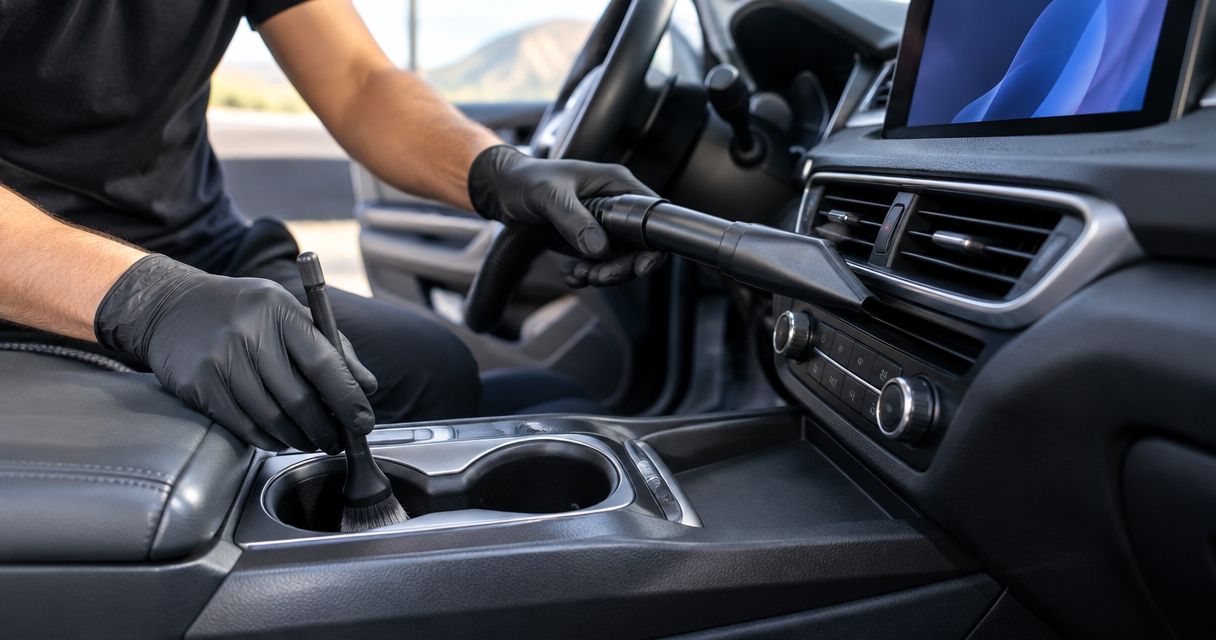
Tell your detailer which windows were tinted and provide the installer’s restrictions. Ask the detailer to leave fresh interior film untouched until cleaning is permitted, and check the film manufacturer’s cleaning guidance for later maintenance.
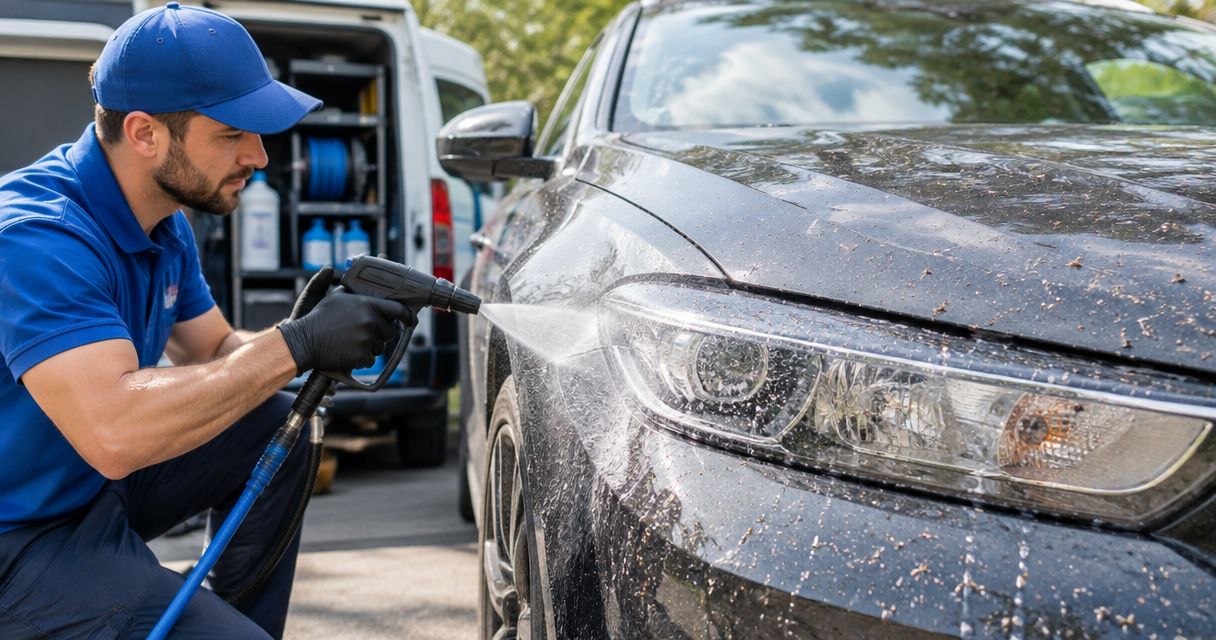
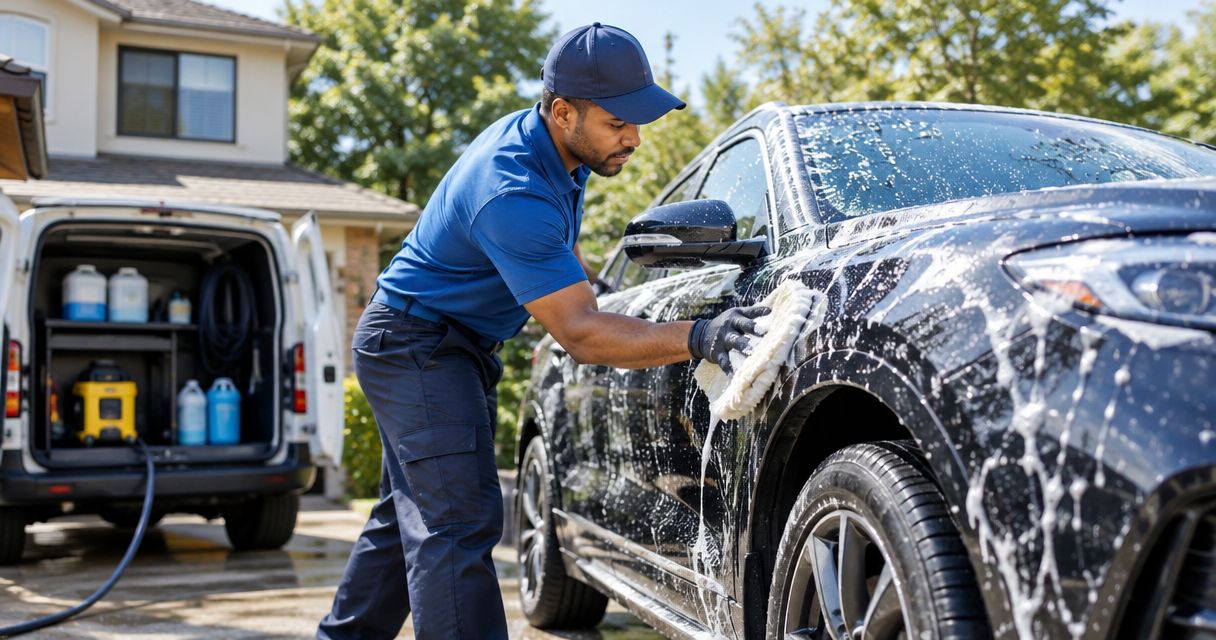
Crispy Clean Mobile Carwash is a fit for Rio Rancho drivers seeking on-location car washing and auto detailing. For that separate service, discuss the fresh tint and any restricted surfaces through the Crispy Clean Mobile Carwash website before arranging the work.
Do not assume that a detailing booking includes tint installation. Keep the tint installer responsible for film-specific care instructions, and give those instructions to anyone cleaning the vehicle.
What should I ask before booking in Rio Rancho or Albuquerque?
Give the installer your vehicle details, the windows you want tinted, and whether existing film needs removal. Then ask for a schedule that fits your actual transportation needs.
Use this booking checklist:
- Does the estimate cover every window I requested?
- Is old-film removal included in the planned work?
- Does work start at drop-off, or is drop-off a check-in time?
- When should I expect a pickup update?
- When can I lower the windows and clean the inside glass?
- Who should I contact if the film’s appearance concerns me afterward?
If you are traveling from Corrales or another nearby community, settle the pickup arrangement before leaving your vehicle. Confirm the installation address rather than assuming a provider travels to you.
For any 2026 appointment, save the agreed scope and care instructions together. Those details are more useful than a screenshot of a generic installation-time estimate.
FAQ
How long does window tinting take if I only need the front windows?
Front-window tinting needs a vehicle-specific estimate, even though it covers less glass than a broader installation. Confirm which windows are included and whether existing film needs removal.
Will my car be ready as soon as the tint is installed?
Your installer should confirm when the vehicle is ready for pickup after installation and inspection. Pickup does not mean the film has fully cured or that you can immediately lower the windows.
Does removing old window tint make the appointment longer?
Removing old window tint adds removal and adhesive-cleanup work before the new installation. Disclose peeling, bubbling, and existing film when requesting your estimate.
Can I roll my windows down after getting tint?
Keep the windows in the position your installer specifies until the stated restriction ends. Follow the instructions for your installed film rather than a generic waiting period.
Is cloudy window tint normal right after installation?
Temporary haziness can occur while installation moisture dries, but the installer should assess any appearance that concerns you. Send photos instead of pressing, puncturing, or trying to repair the film yourself.
Can I book detailing after a tint appointment?
You can coordinate detailing with tint aftercare by telling the detailer which surfaces must remain untouched. Confirm interior-glass cleaning restrictions with the tint installer before the detailing visit.
One last thing
A faster pickup does not mean faster curing. Choose an appointment you can accommodate, then protect the installation by following the correct window-use and cleaning instructions.
Before handing over the keys, ask the installer to separate the pickup estimate from the aftercare deadlines. That simple distinction keeps your transportation plan and your film care from becoming the same mistaken assumption.