Yes, headlight restoration works when cloudiness or yellowing is on the outside of an otherwise sound plastic lens. It removes deteriorated surface material and restores clarity, but it does not repair cracks, damaged internal reflectors, failed bulbs, or moisture entering the housing. The lasting result depends on proper surface preparation and renewed protection against ultraviolet light—not polishing alone.
- Does headlight restoration work? Yes, for exterior oxidation; it cannot repair internal damage or cracked housings.
- Choose restoration for sound, cloudy lenses; choose repair assessment for leaks, cracks, or electrical problems.
- Ask what UV protection follows polishing before booking headlight restoration.
- Crispy Clean Mobile Carwash provides on-location washing and auto detailing for Rio Rancho vehicle owners.
Does headlight restoration really work?
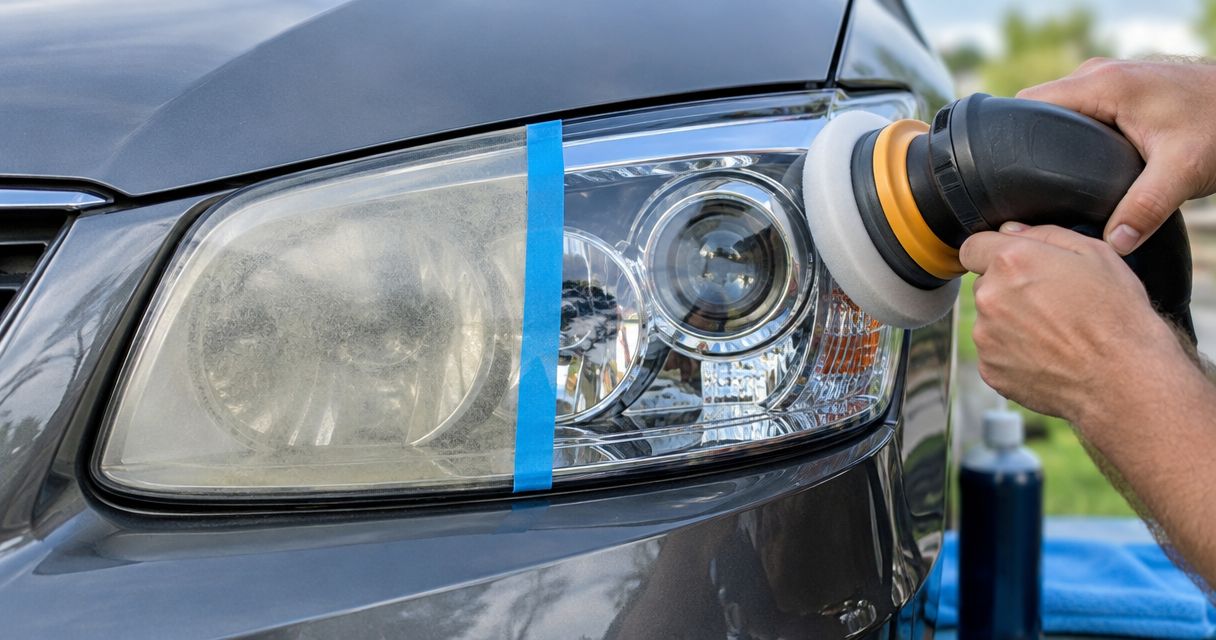
Headlight restoration works by removing the damaged outer surface that scatters light and makes a plastic lens look cloudy. Cleaning removes dirt; restoration addresses deterioration that remains after washing. Those are different jobs.
The right next step depends on where the problem sits. Use this comparison before choosing a service in 2026:
| Option | Best for | Main benefit | Main limitation |
|---|---|---|---|
| Washing | Road film and surface dirt | Removes contamination without resurfacing the lens | Does not remove established oxidation |
| Headlight restoration | Exterior haze on an intact lens | Improves lens clarity without replacing the assembly | Does not fix internal or structural damage |
| Mechanical diagnosis | Persistent dimness, flickering, or moisture | Identifies faults beyond the lens surface | Does not itself remove exterior oxidation |
| Assembly replacement | Damage that cannot be corrected externally | Replaces a damaged housing or optical assembly | Requires the correct part and proper installation |
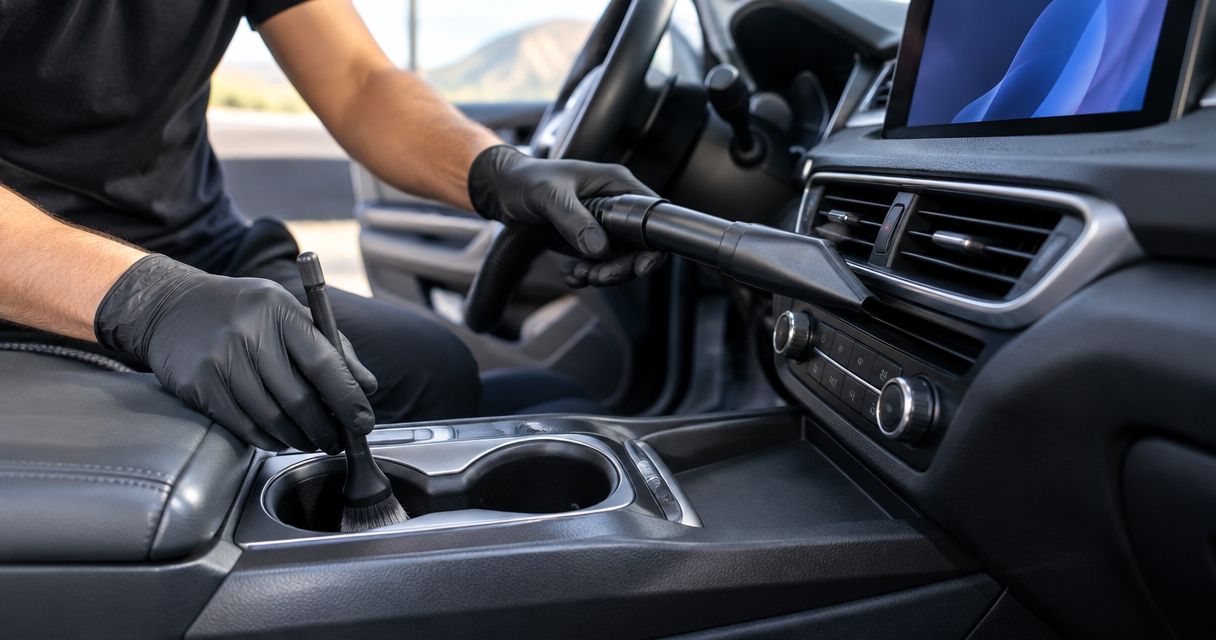
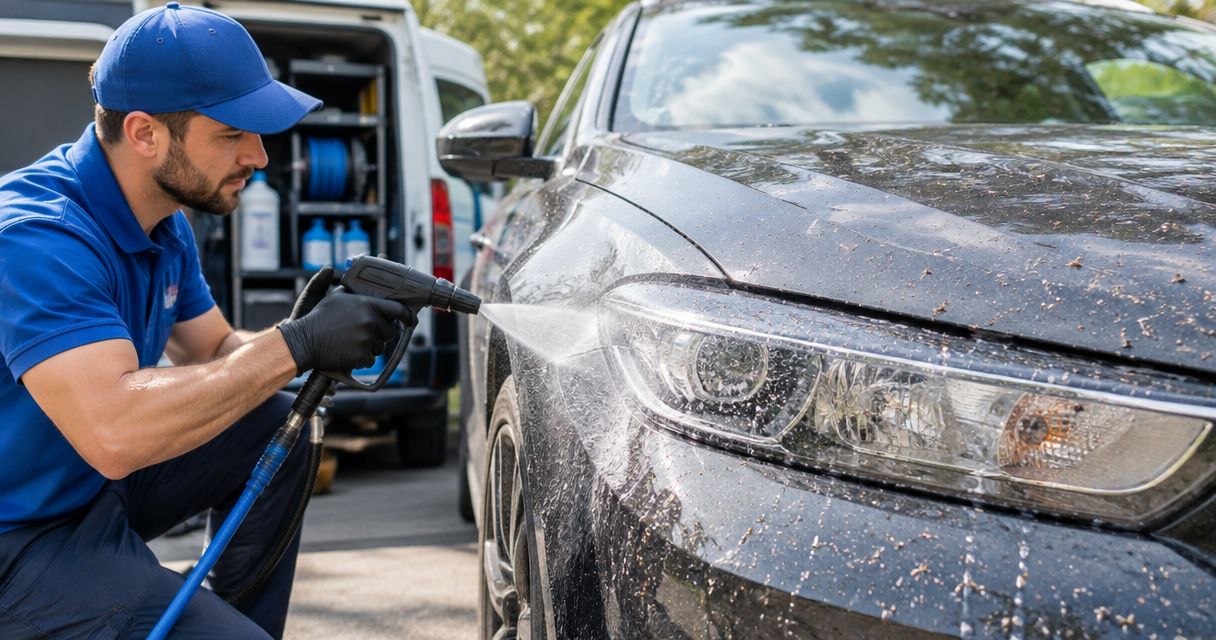
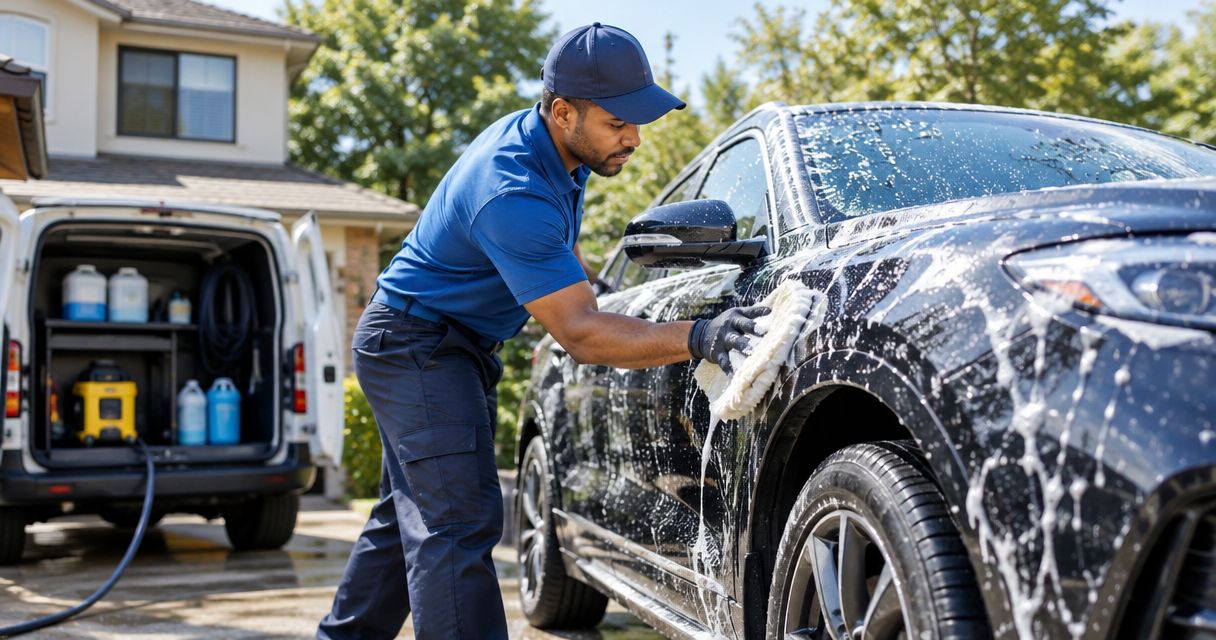
If you also want on-location vehicle cleaning, Crispy Clean Mobile Carwash provides mobile car wash and auto detailing in Rio Rancho. Ask about headlight work separately rather than assuming a detailing appointment includes it.
Why this matters
A clearer lens is not proof that the entire headlight works correctly. Exterior haze can scatter light, but bulbs, internal reflectors, wiring, and aim also affect what reaches the road.
For a Rio Rancho driver arranging maintenance in 2026, the useful question is not simply whether restoration works. It is whether exterior lens deterioration explains the problem on this vehicle. That distinction helps you avoid paying for cosmetic improvement when you need a repair.
Exterior haze: restoration is the right job
A plastic headlight lens can yellow or turn cloudy as its protective surface deteriorates. When that damage is accessible from outside, restoration can remove it and leave a clearer surface.
Look at the clean, dry lens in daylight. A dull outer face, visible surface oxidation, and fine exterior scratches point toward a surface problem. These observations help describe the condition, but they do not replace an inspection.
Best for: intact lenses with exterior deterioration. The benefit is correcting the damaged surface without replacing an otherwise usable assembly; the limitation is that deeper defects can remain visible after treatment.
Do not judge the result while the lens is wet. Water can temporarily make a rough surface look clearer, which makes a wet photograph a poor measure of the finished work.
Internal moisture: find the cause before polishing
Water droplets, pooling, or persistent moisture inside a headlight need a different assessment. Working on the outside cannot repair a leaking seal, damaged housing, or ventilation fault.
Temporary condensation and persistent water intrusion are not automatically the same problem. Check the vehicle manufacturer's guidance and have recurring moisture inspected rather than diagnosing the cause from a photograph.
Best for: a repair assessment when moisture keeps returning or collects inside the housing. The benefit is addressing the source; the limitation is that an exterior restoration alone leaves the underlying issue untouched.
A cloudy appearance can involve both exterior deterioration and an internal problem. Ask the provider to separate those findings before authorizing work.
Cracks and internal damage: restoration has limits
A cracked lens is not merely an oxidized lens. Polishing does not restore its structural integrity or reliably seal an opening where water can enter.
Likewise, exterior work cannot rebuild a damaged reflector or correct deterioration behind the lens. If the outer surface looks clear but the lamp still performs poorly, further polishing is not a substitute for diagnosis.
Best for: replacement assessment when structural or internal optical damage prevents an acceptable repair. Replacement addresses damage restoration cannot reach, but fitment, electrical compatibility, and headlight aim still need attention.
Do not replace an assembly solely because it looks yellow. Establish whether the damage is external first, then decide whether restoration offers a sensible result.
What a proper restoration process should address
A useful restoration plan explains both how the surface will be corrected and how it will be protected afterward. In 2026, a promise to make headlights shiny is still less useful than a clear description of that work.
The exact procedure depends on the lens condition and the restoration system. These are the main stages to discuss, not a universal do-it-yourself recipe:
- Inspect the lens. Identify exterior haze, cracks, internal moisture, and existing coating damage before selecting a treatment.
- Protect nearby surfaces. Keep abrasive work and chemicals away from surrounding paint and trim according to the product instructions.
- Correct the surface. Use the system's prescribed abrasive or polishing process to address the damaged outer layer.
- Restore UV protection. Apply a headlight-compatible protective finish as directed by its manufacturer.
- Check the finish. Inspect the dry lens for remaining haze, uneven areas, and defects that resurfacing cannot remove.
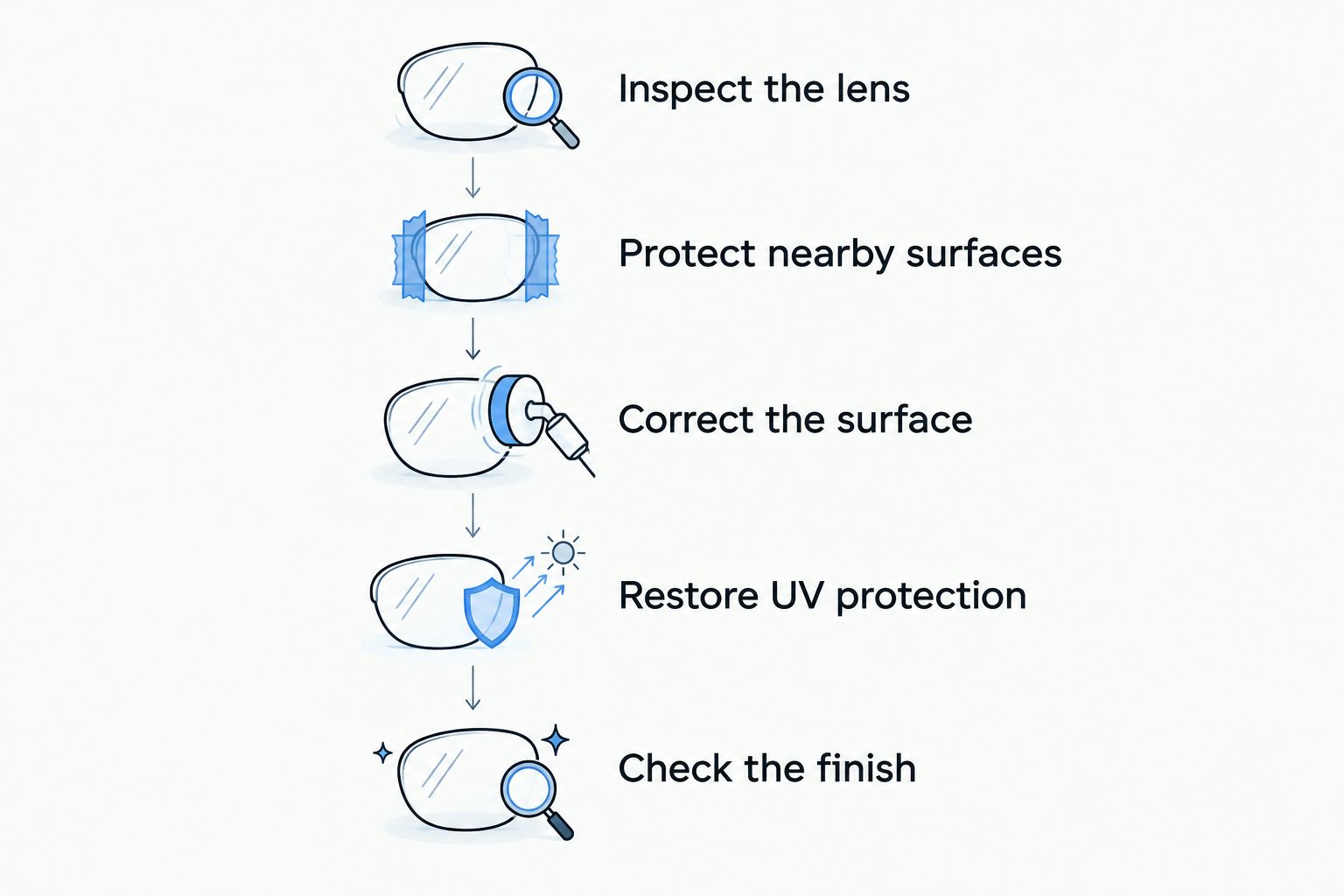
Ask what the protective finish is intended for and what care instructions apply. A coating intended for automotive paint is not automatically a substitute for a product specified for headlight lenses.
You do not need to choose the abrasive sequence yourself. You need to know that the provider has identified the lens material, follows a suitable process, and explains its limits.
Why headlight restoration results vary
Restoration is surface correction, not a guaranteed return to factory condition. These factors explain why the same treatment does not produce the same outcome on every vehicle:
- Damage location: exterior oxidation is accessible; internal haze and reflector damage are not.
- Damage depth: superficial deterioration is different from deep pitting, cracking, or widespread material damage.
- Existing surface condition: an uneven or failing previous finish changes the preparation required.
- Preparation quality: incomplete correction can leave scratches, cloudy patches, or an uneven appearance.
- Protective finish: the lens needs appropriate UV protection after the damaged surface is removed.
- Exposure and care: sunlight, abrasion, and unsuitable cleaning chemicals affect the restored surface over time.
Ask for an assessment of your lenses, not a promise based only on the vehicle model. A provider should explain what is correctable and what will remain before starting.
Will headlight restoration make night driving better?
Headlight restoration can improve light transmission when exterior haze is obstructing the lens. It cannot establish that the bulbs, reflectors, electrical supply, and aim are correct.
Judge the finished work on two separate points: whether the dry lens is clearer and whether the lighting system performs correctly. A cosmetic before-and-after image answers only the first question.
If you still struggle to see after restoration, arrange a lighting-system inspection. Do not keep polishing a clear lens to solve a problem elsewhere in the assembly.
How long does headlight restoration last?
Headlight restoration has no universal lifespan. The preparation, protective system, exposure, and subsequent care determine how the finish holds up.
For a 2026 booking, ask the provider for the care instructions and any written terms attached to the specific treatment. A duration claim without a named process or clear conditions tells you little about your own headlights.
Avoid treating every yellowing recurrence as proof that restoration never works. Recurrence shows that the surface has deteriorated again; inspection is needed to understand the condition and choose the next treatment.
Is a DIY kit better than professional restoration?
A DIY kit is suited to someone who can assess the lens, follow the complete procedure, and protect surrounding surfaces. Professional work suits someone who wants the condition assessed and the correction performed without doing the preparation themselves.
Neither choice fixes an internal fault simply because it includes polishing. Compare the process and its limits, not just whether the work happens at home or in a shop.
| Approach | Best for | Advantage | Trade-off |
|---|---|---|---|
| DIY restoration | Owners comfortable following detailed product instructions | Direct control over preparation and application | Mistakes can leave uneven correction or damage nearby surfaces |
| Professional restoration | Owners seeking an assessment and hands-on service | Someone else performs the preparation and correction | Results still depend on the process and lens condition |
Follow the kit manufacturer's instructions rather than combining unrelated internet methods. Abrasive grades, application methods, protective products, and curing requirements are not interchangeable across systems.
What should you ask before booking locally?
Start with the condition of the headlights, then confirm the work and appointment details. Whether you are comparing providers in Albuquerque or arranging an appointment at a Corrales property, confirm the actual service location rather than assuming coverage.
Use these questions when you contact a provider in 2026:
- Is the haze on the outside, or is there evidence of an internal problem?
- Does the proposed work include surface correction and renewed UV protection?
- What visible damage will remain after treatment?
- What care or curing instructions apply afterward?
- What access, parking, power, or water arrangements does this particular appointment require?
- Is headlight restoration specifically included in the written scope?
Send clear photographs of each dry headlight, including a close view and a wider view of the housing. Photos help explain your concern; they do not reveal every crack, leak, or internal defect.
Crispy Clean Mobile Carwash is best for Rio Rancho vehicle owners seeking on-location car washing and auto detailing. That convenience does not establish that headlight restoration is included, so confirm the requested task before booking.
When contacting Crispy Clean Mobile Carwash through a website inquiry or an available call, text, or social-message channel, state your location and the work you want. Keep headlight restoration, exterior washing, and interior detailing as separate requests so the appointment scope is clear.
How should you judge the finished result?
Compare the headlights clean and dry, from similar angles and under similar lighting. Look for remaining haze, uneven correction, and visible damage that was discussed before the work began.
Ask the provider to explain any limitations before you leave or the mobile appointment ends. Deep pitting or internal deterioration should not be confused with dirt that was missed during cleaning.
Keep any aftercare instructions with your maintenance records. If clarity changes later, those instructions and consistent photographs give you a better basis for discussing the condition than memory alone.
FAQ
Does headlight restoration work on yellow headlights?
Yes, headlight restoration works when yellowing is in the deteriorated exterior surface of an otherwise sound plastic lens. Internal discoloration, cracks, and damaged reflectors need a different assessment.
Can a car wash fix cloudy headlights?
A car wash removes surface dirt and road film, but it does not remove established lens oxidation. If cloudiness remains after cleaning and drying, have the lens condition assessed.
Does headlight restoration fix moisture inside the light?
No, exterior headlight restoration does not fix moisture entering or collecting inside the housing. Persistent moisture needs inspection for a housing, sealing, or ventilation problem.
Will restored headlights stay clear permanently?
No, headlight restoration is not a permanent guarantee against deterioration. The protective finish, exposure, and care affect how the restored surface holds up.
Should I restore my headlights or replace them?
Restore intact lenses when exterior deterioration is the problem; seek replacement assessment for structural or internal damage. Inspect the assembly before deciding, because yellowing alone does not establish that replacement is necessary.
Is headlight restoration included with mobile detailing?
Headlight restoration is not automatically included with mobile detailing. Ask the provider to list it specifically in the appointment scope and explain the correction and protective finish.
One last thing
A headlight that looks clearer only when wet has not demonstrated a lasting restoration result. Inspect the dry lens, confirm that UV protection was addressed, and keep cosmetic improvement separate from a lighting-system diagnosis.
Before your next appointment, write down the problem you actually notice: yellowing, exterior haze, moisture, flickering, or poor road visibility. That description is more useful than asking for polishing without identifying the fault.