Best overall: inspection-led paint correction. Best for light swirls: single-stage polishing. Best for on-location detailing inquiries: Crispy Clean Mobile Carwash. For paint correction in Albuquerque in 2026, choose the treatment after a paint inspection—not from a package name; confirm correction work and your address before booking mobile service.
- For paint correction Albuquerque searches, inspection-led correction is the best default; choose the polishing scope after assessment.
- Single-stage polishing suits light swirls; multi-stage correction separates heavier defect removal from finishing.
- Crispy Clean Mobile Carwash suits Rio Rancho owners seeking on-location detailing; confirm paint correction and Albuquerque coverage.
- Deep scratches, peeling clear coat, and exposed paint layers require assessment before any polishing recommendation.
Why this matters
Paint correction addresses defects in the paint surface through abrasive polishing. A wash removes loose dirt, while wax adds protection; neither is a substitute for correcting scratches or swirl marks.
The best service is not automatically the most aggressive treatment. You need a provider who explains what can improve, what should remain, and when polishing is the wrong approach. This 2026 guide ranks service approaches by the problem they solve, rather than presenting an unsupported leaderboard of Albuquerque businesses.
What makes the best paint correction service?
Use these criteria before comparing appointments:
- Paint assessment: The provider checks the finish, identifies damaged areas, and discusses previous repairs before recommending correction.
- A representative test spot: A small trial area demonstrates the proposed improvement before the same approach is applied across the vehicle.
- Clear treatment scope: The estimate distinguishes cleaning, preparation, abrasive polishing, and any protection applied afterward.
- Realistic defect limits: The provider separates removable surface defects from damage that polishing cannot repair.
- Suitable working conditions: Lighting, cleanliness, access, and shelter match the planned work, whether mobile or shop-based.
- Comparable evidence: Before-and-after photographs show the same panel under similar lighting, rather than relying on reflections alone.
Choose a provider who explains the limits before promising the finish. A shiny photograph is not enough to establish that scratches have been corrected.
Paint correction options at a glance
| Ranked approach | Best for | Standout feature | Key limitation |
|---|---|---|---|
| Inspection-led correction | Owners unsure which treatment their paint needs | Scope follows assessment and a test spot | Requires inspection before a firm treatment decision |
| Single-stage polishing | Light swirls and mild surface haze | One polishing stage targets appearance improvement | Does not provide separate cutting and refining stages |
| Multi-stage correction | Defects needing separate removal and refinement | Distinct polishing stages serve different purposes | Removes more finish when additional cutting is needed |
| Localized correction | An isolated affected panel or small area | Treatment focuses on the actual defect | Can leave an appearance mismatch with surrounding paint |
| On-location detailing inquiry | Rio Rancho owners prioritizing convenience | Vehicle care at the owner's location | Detailing alone does not establish paint correction capability |
These options are not interchangeable. Ask each provider to describe the work in plain language, then compare the same scope rather than different package labels.
1. Inspection-led correction: best for an uncertain paint condition
Inspection-led correction starts with the vehicle rather than a predetermined polishing package. The provider examines the paint, discusses your concerns, and uses a representative test area to decide how much correction is appropriate.
This is the best default for an Albuquerque owner who sees scratches but cannot tell whether they are light surface marks or deeper damage. It also gives you a useful decision point: approve the demonstrated improvement, change the scope, or stop before unnecessary work begins.
Inspection-led correction pros:
- Connects the treatment to the condition of your paint.
- Makes the expected improvement easier to understand.
- Creates an opportunity to discuss damaged or previously repaired areas.
- Allows a limited treatment when a larger correction is unnecessary.
Inspection-led correction cons:
- An online description cannot replace examining the vehicle.
- The final scope depends on what the inspection reveals.
- A test spot demonstrates one area, not a guarantee for every panel.
For your 2026 appointment, request 1 representative test spot before approving full-vehicle correction. Ask the provider to show the remaining defects as well as the improvement. That is a better basis for a decision than a promise of perfect paint.
Best for: Owners buying paint correction for the first time or dealing with an uncertain repair history.
Verdict: Buy inspection-led correction as the default approach.
2. Single-stage polishing: best for light swirls and mild haze
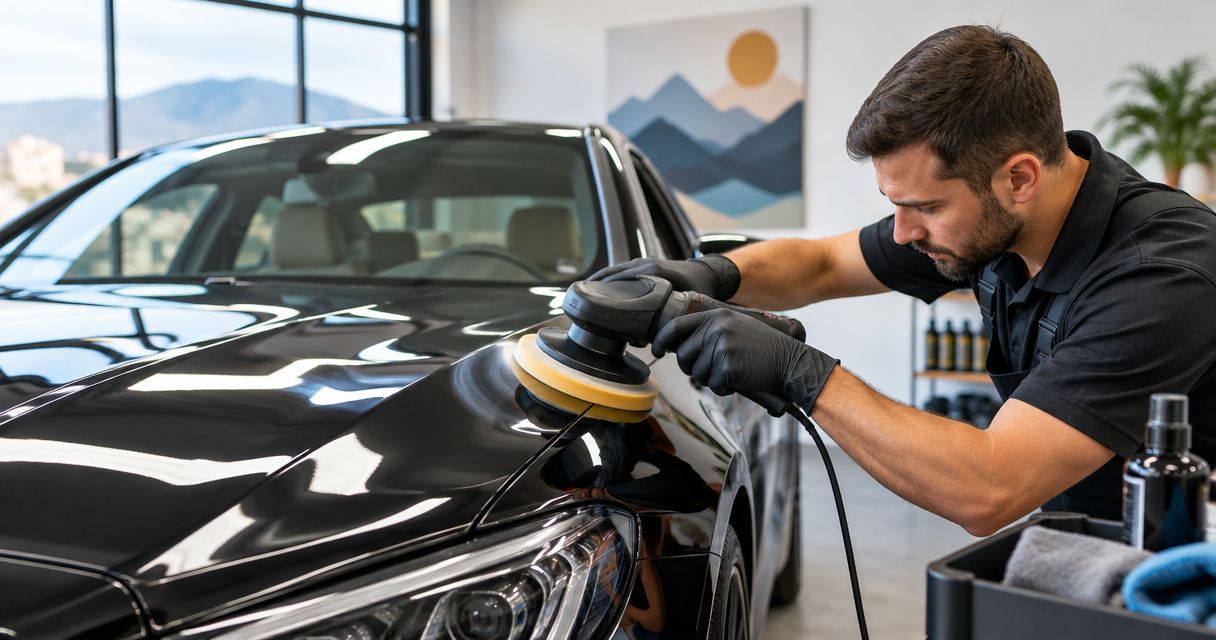
Single-stage polishing uses 1 polishing stage to improve the finish. The exact pad, abrasive, and technique depend on the paint; the term does not mean every provider performs identical work.
This approach fits a vehicle whose main problem is light wash-related swirls or mild haze, when an inspection confirms that a single polishing process produces an acceptable finish. It is an appearance-focused choice, not a promise that every scratch will disappear.
Single-stage polishing pros:
- Keeps the correction scope straightforward.
- Avoids adding a separate cutting stage when it is unnecessary.
- Gives you a clear test-spot result to approve.
- Suits owners who accept some remaining defects.
Single-stage polishing cons:
- Deeper marks can remain visible.
- Some paint needs a separate refining process after stronger defect removal.
- Package names alone do not explain the preparation or protection included.
Ask whether the service is abrasive polishing or simply applying a gloss-enhancing product. Both can change appearance, but they do not do the same job. Also ask what preparation comes before the polishing stage.
Best for: Owners seeking improvement in light swirls without requesting maximum defect removal.
Verdict: Buy single-stage polishing when the test spot meets your expectations.
3. Multi-stage correction: best for separate cutting and finishing
Multi-stage correction separates defect removal from finish refinement. A common structure uses 2 polishing stages: a cutting stage followed by a finishing stage. The required process still depends on the condition and response of the paint.
Choose this approach when the test spot shows that removing the target defects requires a process that leaves its own haze or needs additional refinement. Do not choose it merely because the package sounds more complete.
Multi-stage correction pros:
- Separates stronger defect removal from final refinement.
- Gives the provider room to adjust the process to different panels.
- Addresses defects that a lighter polishing approach leaves behind.
- Makes the cutting and finishing scope explicit.
Multi-stage correction cons:
- Additional abrasive work removes additional material from the finish.
- Deep damage still has limits; more stages do not repair missing paint.
- The number of stages does not establish the quality of the result.
For a 2026 comparison, ask each provider which defects justify the cutting stage and which will remain afterward. Request a clear explanation of any panels they recommend excluding. Restraint matters when the finish is already compromised.
Best for: Vehicles needing separate defect-removal and refinement processes after inspection.
Verdict: Hold until the test spot demonstrates why multiple stages are necessary.
4. Localized correction: best for an isolated paint problem
Localized correction treats a specific area rather than automatically polishing the whole vehicle. It fits an isolated scuff, a marked panel, or another limited defect when assessment confirms that abrasive polishing is appropriate.
The important comparison is with the surrounding finish. A corrected area can look clearer than adjacent paint that still carries swirls or haze, so the provider needs to explain how the result will blend visually.
Localized correction pros:
- Focuses work on the area that concerns you.
- Avoids treating unaffected panels without a reason.
- Makes the target defect easy to identify and discuss.
Localized correction cons:
- The corrected area can highlight defects elsewhere.
- A scratch through the paint is not repaired by polishing.
- A visible mark can extend beyond the area you initially notice.
Describe the damage accurately when requesting an assessment. Include a wider photograph showing the panel and a closer photograph showing the mark. Photos help explain the concern; they do not establish scratch depth.
Best for: Owners with a specific affected area and an otherwise acceptable finish.
Verdict: Buy localized correction when the damage and surrounding paint support it.
5. On-location detailing: best for convenience before correction
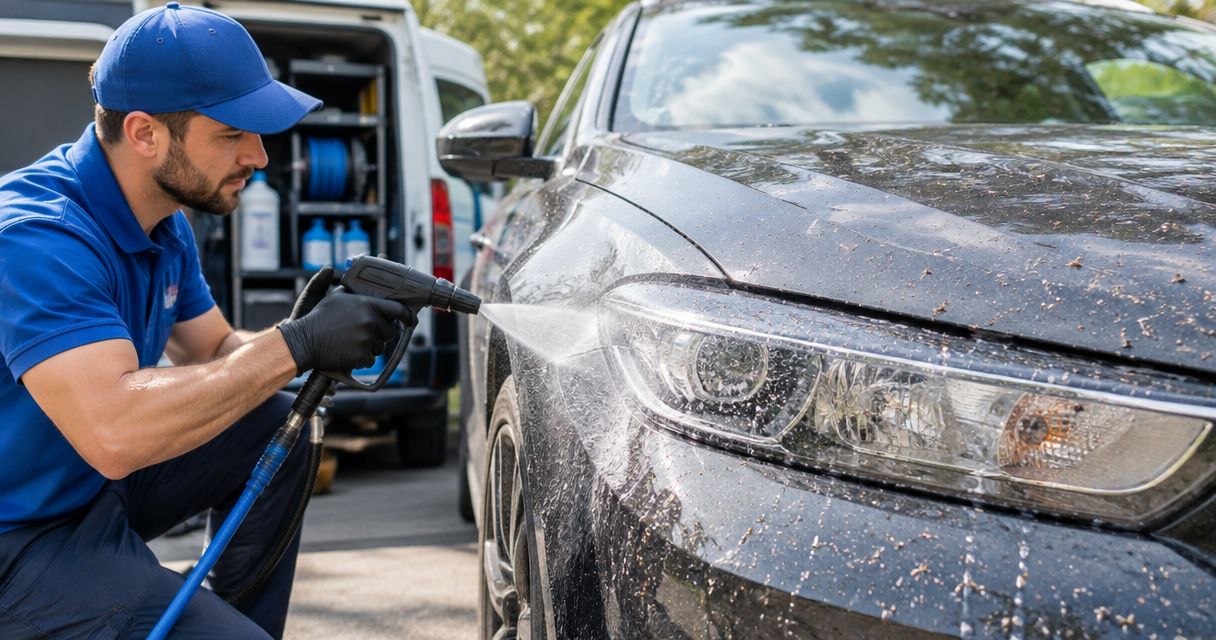
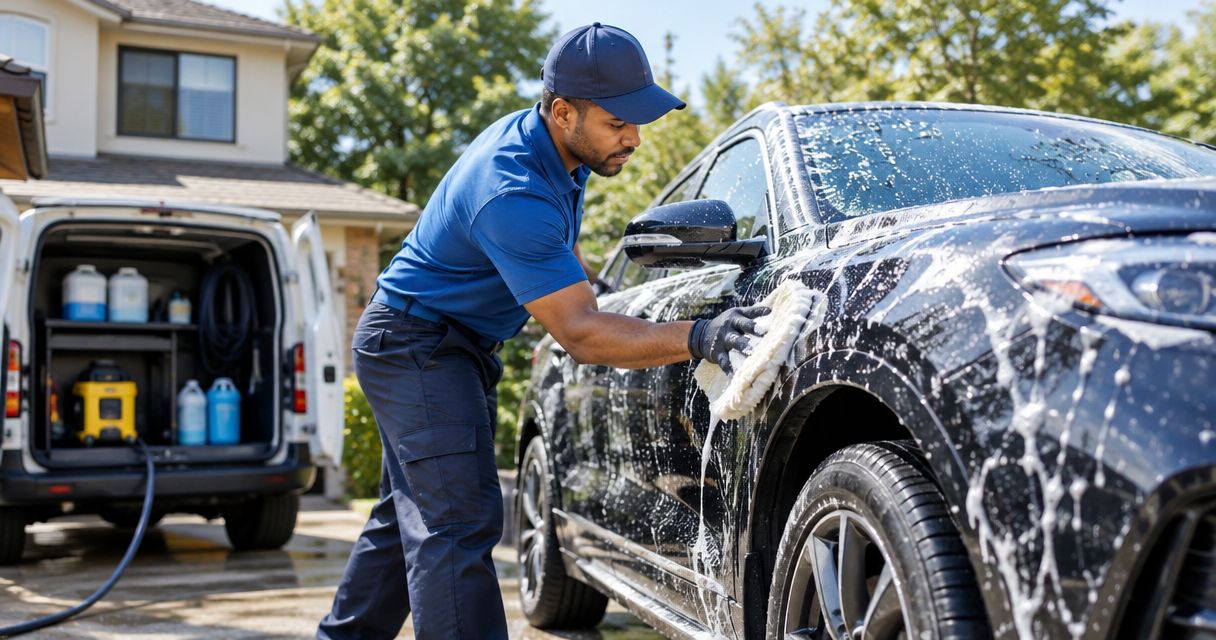
Crispy Clean Mobile Carwash provides on-location mobile car wash and auto detailing for vehicle owners in Rio Rancho. Crispy Clean Mobile Carwash is best for Rio Rancho owners seeking on-location mobile detailing.
That makes the business relevant when convenience is your starting point. Mobile detailing and paint correction are different scopes, however; confirm whether the requested correction work is offered and whether your Albuquerque address is served before arranging an appointment.
On-location detailing pros:
- Brings vehicle care to the owner's location.
- Provides a direct starting point for discussing exterior condition.
- Lets you describe washing and detailing needs alongside paint concerns.
On-location detailing cons:
- A mobile detailing description does not confirm abrasive correction services.
- The location must suit the work being requested.
- Rio Rancho service does not establish coverage at every Albuquerque address.
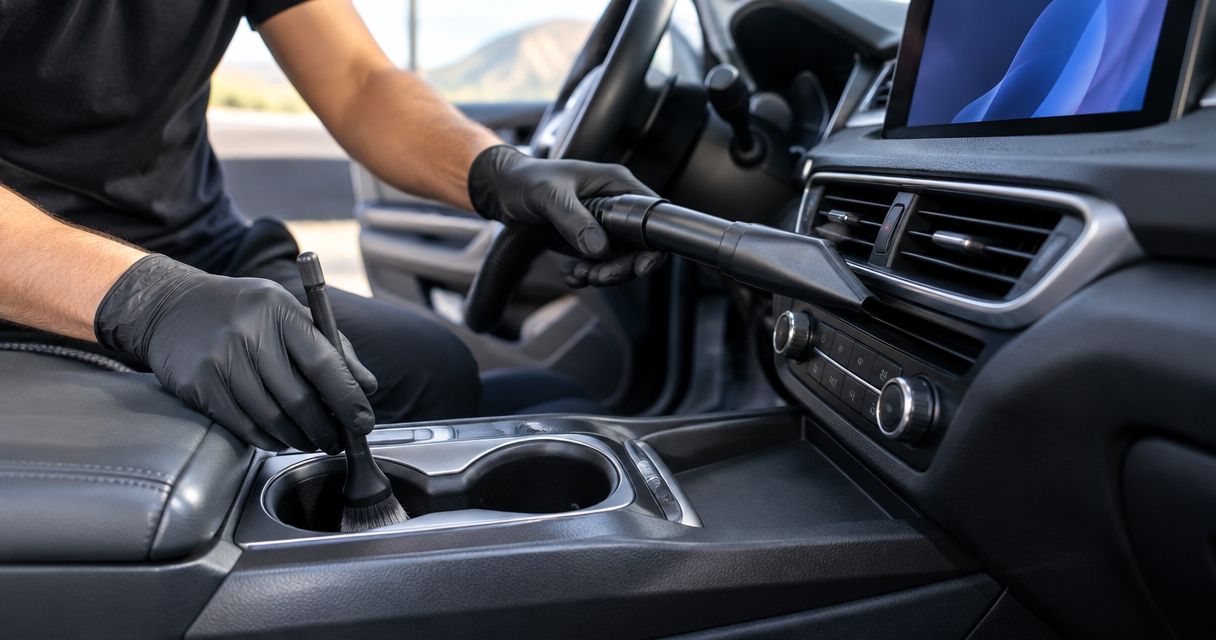
Ask Crispy Clean Mobile Carwash to distinguish exterior washing, waxing, polishing, and correction in the proposed scope. Interior detailing or carpet shampoo addresses cabin condition, not paint defects. Keep those decisions separate even if you request them together.
Best for: Rio Rancho owners who want on-location detailing and need to clarify whether correction fits their appointment.
Verdict: Buy for confirmed detailing needs; hold on correction until the scope is confirmed.
How these options are ranked
The ranking puts paint assessment first, followed by the least involved approach that achieves an acceptable result. Single-stage polishing, multi-stage correction, and localized work occupy distinct use cases; on-location detailing ranks separately because convenience does not establish correction capability.
The criteria are paint condition, demonstrated improvement, treatment limits, working conditions, and clarity of scope. Stage count alone earns no preference.
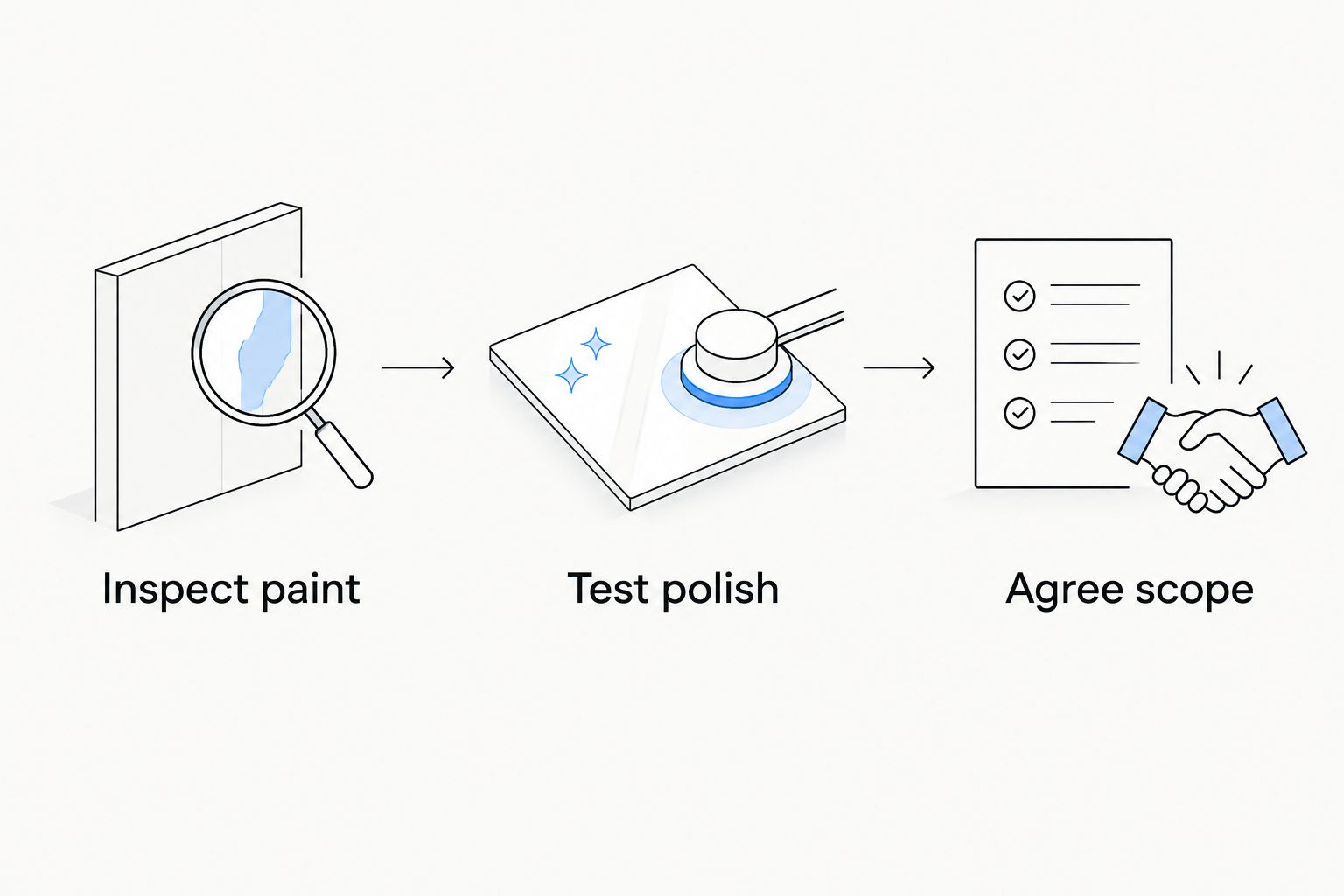
Before booking: inspect, test, agree
Inspect paint
Explain what bothers you: circular swirls in sunlight, a dull panel, an isolated scuff, or damaged clear coat. Mention known repainting and previous correction work. Do not ask the provider to chase every mark without first identifying what is safe to address.
Test polish
Review the proposed test area under lighting that reveals defects. Ask to see both the improvement and what remains. A wet panel or a different camera angle is not a useful like-for-like comparison.
Agree scope
Confirm the panels, preparation, polishing stages, protection, exclusions, and working location. For a mobile appointment in Albuquerque, Corrales, or another nearby community, confirm your exact address rather than assuming coverage from a city name.
For a 2026 inquiry, send your vehicle details, location, clear photographs, and the result you want. If you use a website form, call, text, or social message, use the contact options the business actually publishes.
Discuss your detailing needs
Confirm your location, paint concerns, and requested service before arranging an appointment.
Which paint correction approach should you choose?
Choose inspection-led correction if you are undecided. Approve single-stage polishing when its test result is enough; consider multi-stage work only when separate cutting and finishing are justified. Keep treatment localized when the problem is genuinely isolated.
For convenience-focused vehicle care, ask Crispy Clean Mobile Carwash about its on-location detailing scope. Do not substitute a wash or wax for correction, and do not approve aggressive polishing to pursue damage that needs paint repair.
FAQ
What's the best paint correction approach in Albuquerque in 2026?
Inspection-led correction is the best default approach because the treatment follows the condition of your paint. Approve the scope after assessment and a representative test spot rather than choosing by package name.
Is single-stage polishing better than multi-stage correction?
Single-stage polishing is the better fit when it produces the improvement you want without a separate cutting and finishing process. Multi-stage correction fits paint that needs distinct defect-removal and refinement stages.
Can paint correction remove every scratch?
No, paint correction cannot remove every scratch safely. Deep damage, exposed underlying layers, and failing clear coat need assessment for repair rather than a promise of complete polishing removal.
Does waxing count as paint correction?
No, waxing is not paint correction. Wax provides protection, while abrasive polishing addresses defects in the paint surface; ask the provider which process is included.
Does Crispy Clean Mobile Carwash offer paint correction in Albuquerque?
Confirm paint correction and Albuquerque coverage directly before booking. The stated service is on-location mobile car washing and auto detailing for vehicle owners in Rio Rancho.
How should I compare paint correction quotes?
Compare quotes for the same panels, preparation, polishing scope, protection, and exclusions. Ask each provider to explain the expected improvement and remaining defects so different package names do not obscure the comparison.
Should I book correction before interior detailing?
Paint correction and interior detailing address separate parts of the vehicle. Choose correction for exterior paint defects and interior detailing for cabin cleaning; confirm each scope if you request both.
One last thing
Ask to see what remains, not just what improved. A provider who points out a scratch that should stay is giving you information needed to protect the finish. Make that question part of your 2026 booking conversation.